
The weather in the Midwest can be unpredictable. Peak summer temps reach up to 100 degrees, while peak winter drops below freezing. One week you’re in shorts and the next you need a coat. That’s why it’s essential to keep your heating and cooling system in peak shape, so it’s ready to switch on at any moment.
At Watkins Heating & Cooling, our entire focus is on keeping your home comfortable. That’s why we’ve put together a list of tips that will help keep your HVAC system running smoothly, no matter what mother nature throws at you.
We’ve seen firsthand how the simplest steps can make a massive difference in how your system heats and cools. The DIY tips in this post will also extend the life of your HVAC system, improve your air quality, and save you money on repairs. Whether you’ve got an A/C, furnace, or heat pump, these HVAC tips for winter and summer will help you get the most out of it. Drawing on over three decades of industry experience, we’ll break this down into two focused lists of insights – one for each season.

Why These HVAC Tips Matter for Your Home
Before we get into some helpful DIY tips, let’s quickly clarify why staying on top of your HVAC system maintenance is so important.
Your cooling and heating system runs most of the year, and that constant operation strains every part of your HVAC unit. Neglecting maintenance is like skipping an oil change on your car – minor issues with efficiency can turn into major breakdowns and expensive repairs.
When you tick all these boxes below and keep your home comfort system well-maintained, you have a much better chance of preventing HVAC emergencies and keeping your energy bills low. If you’re unsure about any step, our team at Watkins is always here to help with any home comfort issues.
Let’s start by getting your home ready for the cold.
Preparing Your Heating System for Winter
As temperatures begin to drop, it’s important to take action before those snowy storms ever hit. The first step before winter begins each year should be scheduling a professional tune-up. You should also test your system early and make note of any strange noises or weak performance before the cold weather hits and you call the pros. This general prep work is vital for homeowners before heading into the cold season.
Now, let’s get into the specific steps you can take when it’s winter.
10 HVAC Tips for Winter
Here are 10 straightforward do it yourself HVAC tips for winter to keep your home comfortable and your heating bills in check:
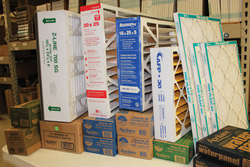
- Change Furnace Filters Every 2-3 Months: This is both the easiest and most important tip to maintain an effective heating system in the winter. How often you should do this depends on your system and home, but to be safe, check it every couple of months and replace it if you can’t see through the dirt and dust. By staying on top of air filter changes, you’ll help keep your air flowing cleanly and constantly. A dirty air filter can clog that warm airflow, reduce energy efficiency, and even cause your furnace to overheat, leading to a cracked heat exchanger.
- Seal Drafts Around Windows and Doors: This helps keep warm air inside and the cold wind out. Even small gaps around windows, doors, and baseboards can let heated air escape and let cold air sneak in. Use weatherstripping, caulk, or draft stoppers to seal these areas. This simple step reduces the load on your heating system and can noticeably lower your energy bills during freezing temperatures.
- Lower Thermostat When You’re Asleep or Gone: Dropping the temperature a few degrees when it’s not needed can make a big difference in utility bills. If you’re comfortable with it, lower the temperature at night and use extra blankets or a warm comforter – experts actually recommend 65-67°F as the optimal zone for sleeping! Using a programmable thermostat makes this even easier and more efficient by setting schedules to automatically lower the temperature when you’re typically away or asleep. Setting it back 7–10°F for 8 hours a day can save 5–15% on annual heating costs without sacrificing comfort.
- Test Carbon Monoxide Detectors and Smoke Alarms: These are the two most crucial safety devices in every home. Carbon monoxide is odorless and colorless, and it can be produced by furnaces and other fuel-burning appliances if they’re not operating correctly. Install these detectors in a hallway outside your bedrooms and press the test button on each one monthly to make sure the alarm sounds. Switch out the batteries at least once a year, and replace the devices themselves every 5–8 years to stay safe.
- Check Vents and Remove Blockages: If you have items like couches, rugs, or curtains blocking your vents, do your best to move them out of the way or use a vent deflector to help the heat move evenly throughout your home. Blocked vents force your furnace to work harder and can cause uneven drafts or hot spots. This simple fix keeps every room comfortable and allows your furnace to breathe.
- Clear Snow and Ice From Outdoor Heat Pump: If you have a heat pump, keeping your outdoor unit clear is key to prevent blocked airflow and keep it humming in winter weather. When the unit is buried in snow or covered in ice, it can’t pull in air effectively, which reduces heating capacity. Gently remove snow with a broom or brush. Be careful removing ice. Your heat pump has a build in defrost cycle for this and chipping away at ice will likely damage the fins.
- Have your Chimney Inspected: If you have a fireplace or wood stove that you use for heating, any blockages can compromise your home’s air quality and safety. Creosote buildup or debris can restrict airflow and increase the risk of carbon monoxide or chimney fires. Schedule a professional inspection every year, especially before heavy winter use.
- Keep Interior Doors Open: If you don’t have a cold air return in each room, closing doors to unused rooms can trap warm air in a single room and force your furnace to work harder to warm the rest of the house. Keeping these doors open, or using return-air vents in every room, can help your system balance temps more effectively and reduce energy use.
- Use a Surge Protector for Heating System: Protect against power surges that can damage sensitive components like the blower motor and circuit board. Power fluctuations are common during storms or when power returns after an outage. A whole-house surge protector or a dedicated unit on your HVAC equipment safeguards sensitive electronics.
- Cover Refrigerant Lines with Insulation: If you have a heat pump, it’ll have refrigerant lines that pump heat indoors during the winter. Those big copper lines were likely installed with black rubber tubes around them, but if that insulation deteriorates, you can lose valuable heat. If you spot any exposed, visible copper lines outdoors or in indoor crawl spaces, wrap them with extra foam pipe insulation. This is an inexpensive way to keep the heat in your pipes during winter, and it’ll also prevent condensation in those warmer seasons to come.

Preparing Your Cooling System for Summer
Spring is the perfect time to get your air conditioning system prepped for warm weather. A smooth transition from winter season to cooling season starts with scheduling a professional air conditioner tune-up.
Test your A/C while it’s still mild by listening for strange sounds, checking for weak airflow, and catching problems early so that you can let a tech know at your annual spring maintenance.
Now let’s take a look at the steps you should take with your air conditioner when summer hits.
10 HVAC Tips for Summer
Beat the heat with these 10 DIY HVAC tips for summer, designed to boost your air conditioning unit’s efficiency and keep energy costs down:
- Change Air Filters Regularly: A dirty filter restricts the flow of cool air, forcing your A/C to use more energy. Check your air filter every 1-3 months (depending on your home’s dust levels and pets) and replace when it’s too dirty to see through. Keeping filters clean is one of the fastest ways to improve performance and save money.
- Close Blinds & Curtains: One of the simplest hacks to keep your home cool in the summer is to stop the sunlight from coming in! Close blinds, curtains, or shades on your windows from 10 AM to 4 PM, especially on south or west-facing windows.
- Keep Outdoor Unit Clear of Debris: Your outdoor HVAC equipment is critical equipment in the summer. Overgrown weeds and debris around your A/C unit reduce airflow, lowering efficiency. Ensure at least 2 feet of clearance around the unit. Trim back bushes, grass, and weeds, and regularly remove any leaves, mulch, or debris that gather around it, especially after storms.
- Improve Airflow with Fans: Box fans do a great job of helping you feel cooler without having to crank up your A/C. Ceiling fans can also be a big help in the summer swelter, but only if you have a standard-height room (around 8 feet). If your ceiling fan’s mounted high up in a room with tall ceilings (more than 10 feet), it’s actually better to keep it turned off when it’s really hot out. Since hot air rises, a ceiling fan at the peak of a tall room will just push that hot air down into your living space.
- Raise the thermostat setting. To save energy, set your temp a bit higher as long as it’s still comfortable (between 73-76°F). Raise your temp by about 5°F when you’re away and your A/C will run less and save energy. Don’t raise is too much or you’ll invite high humidity problems. Many homeowners have a programmable thermostat that can automate this schedule, but have never taken the time to set it up!
- Seal Leaks Around Doors & Windows. Leaks let cool air escape and warm air enter, reducing efficiency. Make sure windows are closed tightly and check for drafts around doors. Use weatherstripping or caulk to seal gaps.
- Use Bath Fans after Showers. Showers add massive humidity to your home, which makes your A/C work harder and your home feel warmer. Run bathroom exhaust fans for about 15 minutes after showering or bathing to pull moist air out. To check if a bathroom fan is working, hold a piece of tissue paper to the vent—just because it’s making noise doesn’t mean it’s moving air.
- Turn Off Unused Electronics. Turning off any lights and electronics when you’re not using them can reduce heat load and save energy. Devices like TVs, computers, gaming consoles, and even phone chargers use electricity and create small amounts of heat even when not in use. Unplug them or use a power strip with a switch to eliminate phantom power draw and heat buildup.
- Check Attic Vents: Without proper ventilation, your attic will overheat. This increases the heat load on your home and reduces the life of shingle roofs. Ensure attic vents are clear and attic fans are working to release hot air.
- Cook Smart to Avoid Heat: Ovens, stovetops, and dishwashers add heat/humidity to your home. On hot summer days, grill outside, use a microwave, or enjoy sandwiches and salads.

Energy Savings from Following HVAC Tips
Following this simple HVAC advice for winter and summer can add up to real money in your pocket. Simple everyday checks like changing filters, clearing vents, and setting your thermostat can reduce the workload on your heating and cooling system and ensure proper airflow. And each of these things, individually, can take a chunk out of your energy bill. In fact, if you stay on top of all of these HVAC tips, you could save up to 5–15% or more on your energy bills and even more on potential repairs. The best part? Most of these steps cost you nothing at all, yet deliver year-round savings.
For more ideas on maximizing efficiency, check out the ENERGY STAR guide on HVAC efficiency.
Professional Tune-Ups Are Everything
These HVAC tips for winter and summer are great for your DIY, but a professional HVAC technician can take things further. They can spot hidden issues that most homeowners miss, like heat exchanger problems in winter or refrigerant leaks in summer. Plus, essential maintenance tasks like deep coil cleaning can only be done effectively and safely by pros.
At Watkins Heating & Cooling, we’re here to help with all your home comfort needs, from routine tune-ups to repairing broken systems to replacing old systems with new ones. Our team does it all to keep your system running smoothly, efficiently, and reliably year-round.
If you hear strange noises, notice reduced performance, or haven’t gotten a tune-up in a while, don’t wait. Reach out today for an appointment. We’re ready to help you stay comfortable, no matter the season.
Book An Appointment Online
Use the form below to schedule an appointment or call us at (937) 806-4419

Other Recent Blog Posts

10 HVAC Tips for Winter and Summer

Watkins’ Ongoing HVAC Training: How Our Technicians Became Ohio’s Best

The Federal HVAC Tax Credit Ends in 2025! Learn Why and Which HVAC Systems Qualify

Heat Pump Efficiency Charts: Understanding Performance & Savings

HSPF vs HSPF2: Your Update on Heat Pump Efficiency Standards

SEER to SEER2 Conversion: Understanding the 2025 Air Conditioner Efficiency Standard

Central AC Not Blowing Cold Air? Here’s Why and How to Fix It

High-Efficiency Gas Furnaces: Your Guide to AFUE Ratings & Lower Heating Bills

Thermostat Not Working? What to Check BEFORE Replacing Your Thermostat

How Does a Heat Pump Work? A Look Inside the Heat Pump System

Heat Pump AC Combo: What’s the Best Heating & Cooling Setup for Your Home?

R32 and R454b Refrigerant: The New Air Conditioner Refrigerants

Cracked Heat Exchangers

When to Use Emergency Heat

What Is Considered High Humidity and Low Humidity In Your Home

Ideal Indoor Humidity Levels and the Benefits of Optimum Humidity

Nitrogen Brazing vs Soldering for Refrigerant Lines

Overview of Furnace and Air Conditioner Brands: An HVAC Company Family Tree

Air Conditioner Coil Cleaning: Improve Efficiency & Save Money

Heat Pump Defrost Cycle: Understanding the Process and Trane’s Innovative Approach

Heat Pump vs Air Conditioner: Which HVAC System is Right for You?

Difference Between Trane XV20i and XV18 Heat Pump and Air Conditioner

What Causes Carbon Monoxide in Homes

Recognizing the Signs and Symptoms of Carbon Monoxide Poisoning

Watkins Heating and Cooling Wins the 2024 Trane SOAR Award

Understanding Air Conditioner Lightning Strikes

LoveServes in Guatemala

How to Prevent A/C Evaporator Coil From Leaking Freon

What Causes Refrigerant Leaks in Air Conditioners

What Is Refrigerant Used in Home A/C Units?
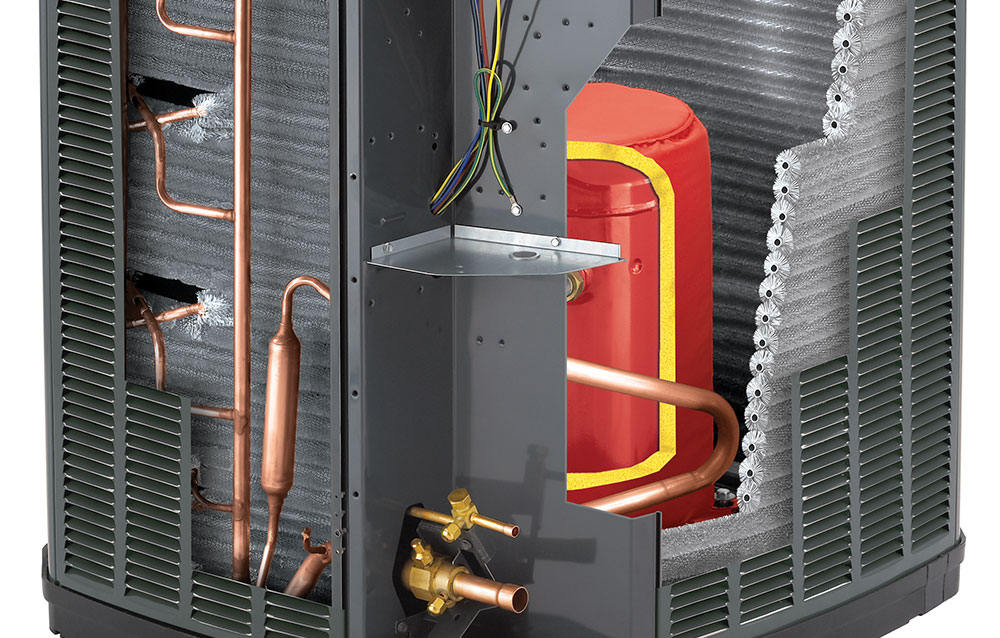
Trane Aluminum Spine Fin Coils – Pros and Cons

Can I Replace Just My Air Conditioner Without Replacing My Furnace?

Understanding the TXV

Top 10 Most Common HVAC Issues and How to Prevent Them
Discovering Heat Pumps: Your Guide to Energy-Efficient Home Comfort

Air Conditioner Covers

Teaching, Building, and Changing Lives in the Dominican Republic

Factory Warranties

Introduction to Our Work in St. Vincent

Air conditioner maintenance | Water leaks

Zoning for Solar Energy

We’re Hiring!
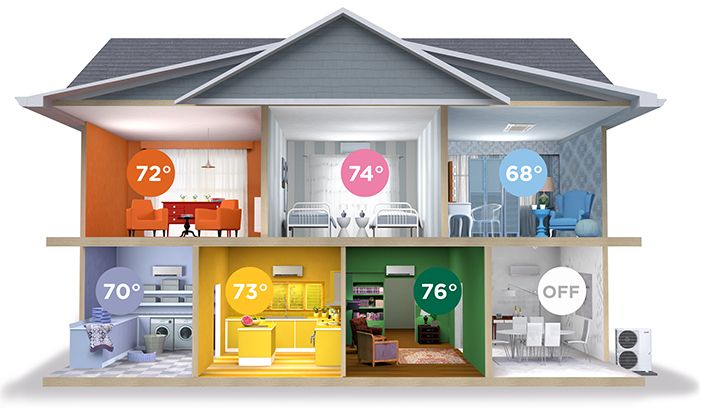
It Is Cold Upstairs! Comfort Tips for a Two-Story Home.

REAL Service Technicians

Watkins’ Mission to Transform Lives in the Dominican Republic

Top 5 Reasons for a Furnace Tune-up

How Do You choose an HVAC Contractor?
Carbon Monoxide Safety
6 Furnace Air Filter Tips
Routine furnace maintenance saves money

Committed to Your Comfort: Trane Heat Pump Repairs Done Right
